
The Ageless Luxury of Japanese Kominka| Dismantling, Relocating, and Reviving Historic Architecture Worldwide
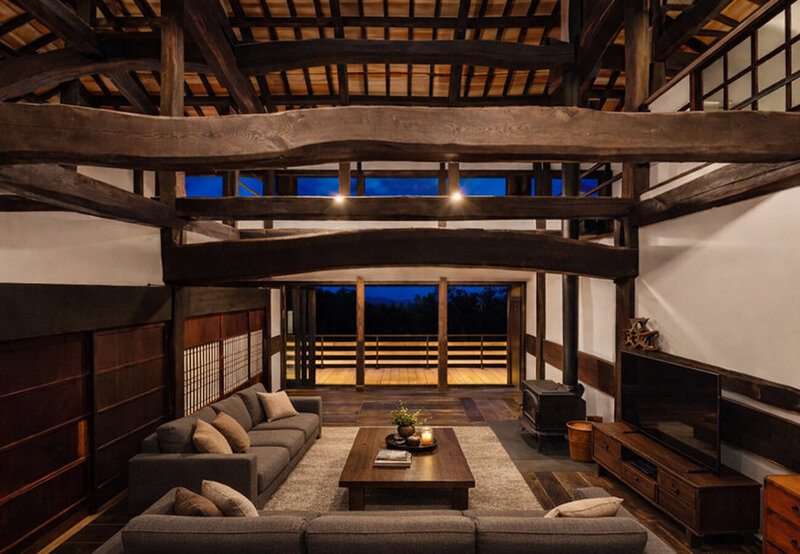
A 100-year-old historic Japanese residence carefully dismantled and rebuilt. *Our Project Sample
At Imoto Building, located in historic Hida Takayama, Japan, our master carpenters preserve the soul of traditional Japanese architecture through hand-cut timber joinery and historic house restoration.
In an era of mass production, discerning homeowners, architects, and collectors around the world are rediscovering the timeless beauty of 'Kominka' (historic Japanese traditional homes). More than just buildings, these structures represent centuries of craftsmanship, organic materials, and sustainable living.
What many do not realize is that a Kominka can be dismantled, relocated, and reborn in a new location--whether as a luxury private villa, a serene tea house, or an art gallery--anywhere in the world.
Key Takeaways of This Article
- The Essence of Kominka: Centuries-old solid timber, natural beauty, and unmatched durability.
- The Mechanism of Relocation: Traditional Japanese joinery (Kigumi) allows complete dismantling and reassembly.
- Endless Possibilities: Transforming historic timber into modern luxury villas, galleries, and resorts.
- Essential Craftsmanship: Why skilled 'Te-kizami' (hand-crafting) carpenters of Hida are essential.
1. The Essence of Kominka: Centuries-Old Solid Timber, Natural Beauty & Unmatched Durability
At the heart of every historic Japanese house lies the raw power of nature. Built with massive, slow-grown solid timbers such as Japanese Cypress (Hinoki), Chestnut (Kuri), and Zelkova (Keyaki), these woods were harvested over a century ago at their peak maturity.
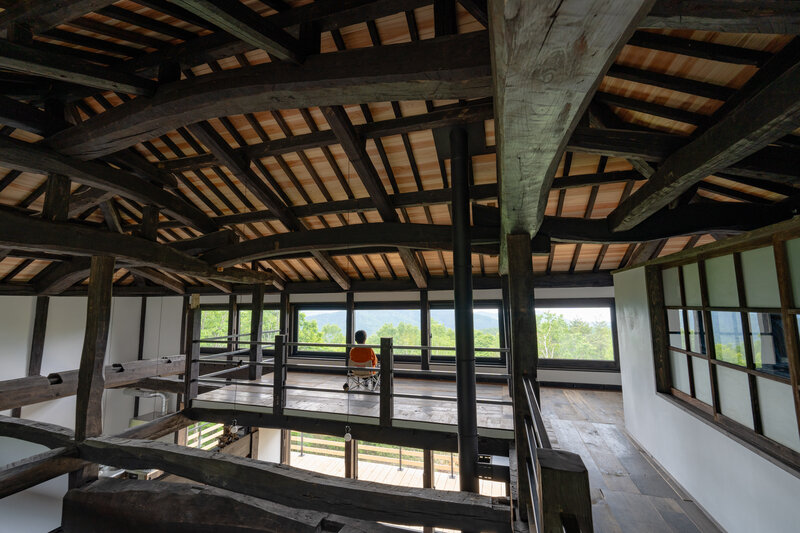
Massive pine beams naturally cured over a century create an aura of authentic luxury that cannot be replicated by modern coatings.
Scientific research proves that solid Japanese timber actually increases in strength for 200 to 300 years after being cut, maintaining its structural integrity for over a millennium. Combined with the rich, amber-to-black patina created by decades of natural aging and smoke from traditional hearths, these timbers possess an organic beauty that artificial modern materials can never replicate.
2. The Mechanism of Relocation: Dismantling & Reassembly via Metal-Free 'Kigumi' Joinery
How can a 100-year-old building be moved across the city or across the ocean? The secret lies in traditional Japanese interlocking joinery, known as 'Kigumi' (Tsugite and Shikuchi).
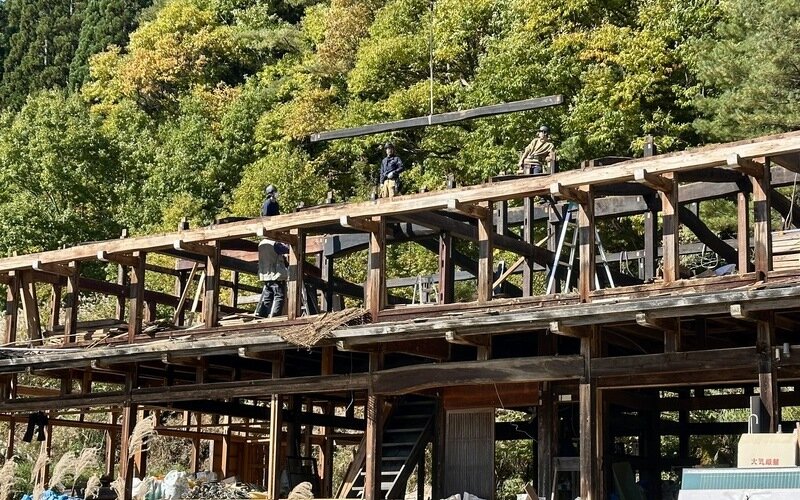
Hand-dismantling allows each timber component to be identified, cataloged, restored, and transported to its new home.
Unlike modern western construction that relies heavily on iron bolts, nails, and toxic adhesives--which degrade over time--Kigumi uses complex geometric wooden joints. This allows master carpenters to carefully disassemble the structure piece by piece without damaging the main timber frame. Every beam and column is labeled, restored, and seamlessly reassembled on a new site, creating a flexible structure that naturally absorbs seismic shock.
3. Endless Possibilities: Elevating Historic Timber into Modern Luxury Spaces
Kominka relocation is not merely about preserving the past; it is about inspiring the future. While historically used as rural residences, these magnificent timber skeletons serve as extraordinary architectural foundations for high-end modern applications.
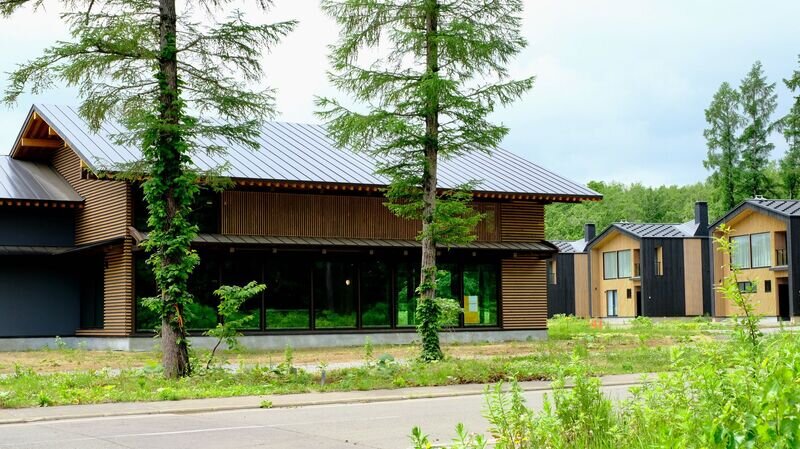
The breathtaking structural framework of a relocated Kominka, offering limitless possibilities for spacious luxury villas and modern galleries.
- Bespoke Luxury Villas & Estates: Combining soaring exposed-beam ceilings with floor-to-ceiling glass, state-of-the-art climate control, and minimalist luxury interiors.
- Private Art Galleries & Wine Cellars: The organic warmth of antique timber provides an incomparable backdrop for contemporary art, sculpture, and private collections.
- Wellness Resorts & Tea Houses: Creating serene sanctuaries where guests can experience authentic Japanese mindfulness (Wabi-Sabi) in ultra-luxury comfort.
4. Essential Craftsmanship: The Master 'Te-Kizami' Carpenters of Hida
In modern construction, factory machines (pre-cut timber) process uniform, straight wood. However, 100-year-old reclaimed timbers are uniquely twisted, curved, and shaped by time. Machine processing is completely useless here.
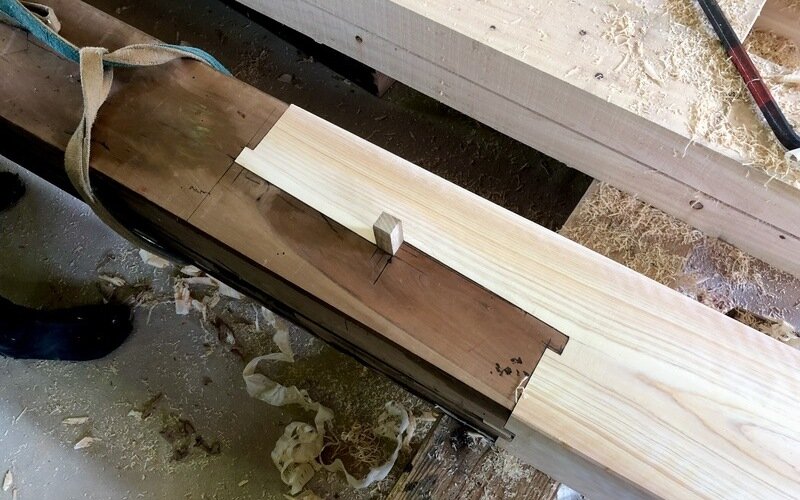
Traditional 'Te-kizami' (hand-chiseling) craftsmanship. Master carpenters carefully shape each ancient timber using hand tools to achieve seamless joint precision.
This is why skilled 'Te-kizami' (hand-crafting & hand-chiseling) by master carpenters is essential. Originating from Hida Takayama--a region legendary for its royal master builders for over 1,300 years--our carpenters read the unique grain, grain tension, and character of each ancient log. Using hand chisels, hand planes, and traditional ink lines, we custom-carve each joint to fit seamlessly, ensuring the building stands strong for another century.
Conclusion: Preserving Heritage, Creating Your Legacy
A Japanese Kominka is far more than a dwelling; it is a living masterpiece of sustainable philosophy, natural beauty, and century-old timber joinery. Through the art of relocation, these historic structures can transcend time and geographic borders, granting you the rare privilege of owning an irreplaceable piece of Japanese heritage.
By bridging ancient Hida craftsmanship with modern luxury design, Imoto Building ensures that your architectural vision becomes a timeless sanctuary for generations to come.
Bring a Piece of Japanese History to Your Land
Whether you wish to build a bespoke luxury villa, a serene Japanese tea house, or restore a heritage home, Imoto Building offers end-to-end expertise in timber inspection, hand-crafting, and relocation.